Utilising Shopify Metafields to become number one on Google and AI Overviews
One of the biggest problems with product-focused blog content is that prices go stale. You publish a review, mention a price, and a month later it’s wrong.
At Appliance World we built our blog articles to pull live product data directly from Shopify using metafields. Featured products sit alongside the article with real-time pricing, active promotions, and member discounts. Nothing needs manually updating.
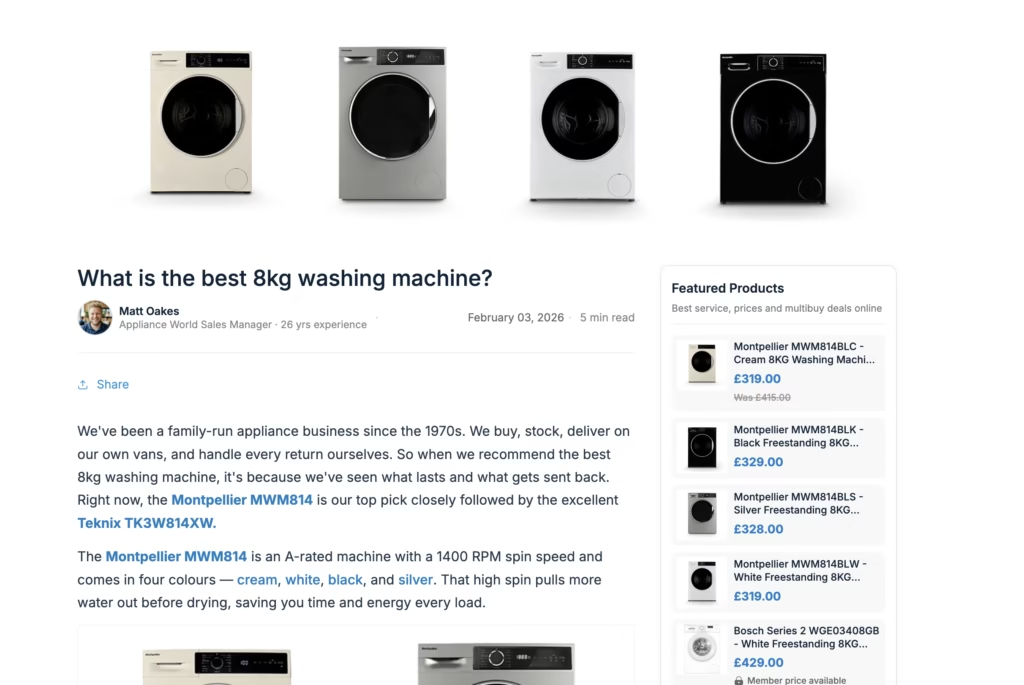
Notice the featured products bar
What’s different from a standard Shopify blog:
- Live product cards in articles – prices, images, and SKUs update automatically when the product changes in Shopify
- [Update 08/07/26] Live Prices within blog content – We use data-attributes and a bit of JS to pull the metafield price data directly into the blog content now.
- Dynamic discount badges – active promotions show up without the article being edited
- Member pricing indicators – logged-in customers see their member price, guests see a prompt to sign in
- Staff author profiles via metafields – structured author data with headshot, job title, and experience (useful for E-E-A-T)
- Tag-based filtering on the blog index – visitors filter by brand or category without leaving the page
- Product tokens on card previews – the blog index shows which products each article covers before clicking through
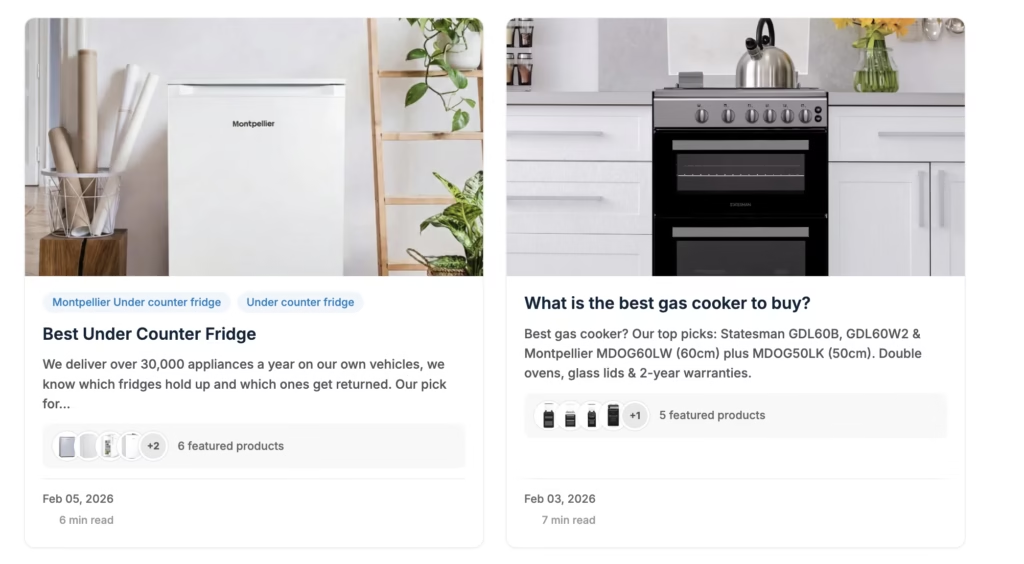
Why it matters for SEO and GEO
Every article becomes a permanent, always-accurate entry point to product pages. The rendered content genuinely changes when prices or promotions update, so Google, Bing, and ai crawlers see fresh pages without anyone touching them. Internal links between articles and product pages pass authority in both directions. Structured data (BlogPosting schema) ties it together for rich results.
The typical approach is to write a post, paste in some prices, and move on. This way, the content stays accurate on its own.
It works, useful articles have greatly increased clicks from SEO and GEO sources. Appliance World quickly reached number 1 on Google and an ai overview for our well researched articles. Some of these products went from obscurity to best sellers.
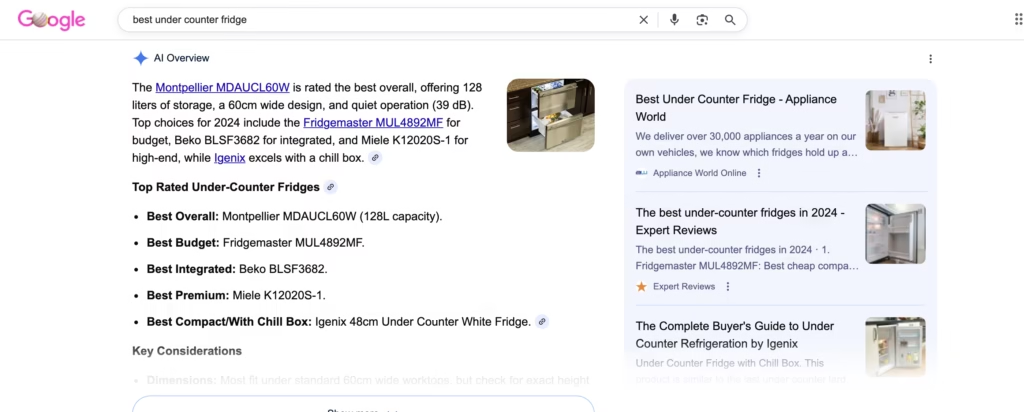
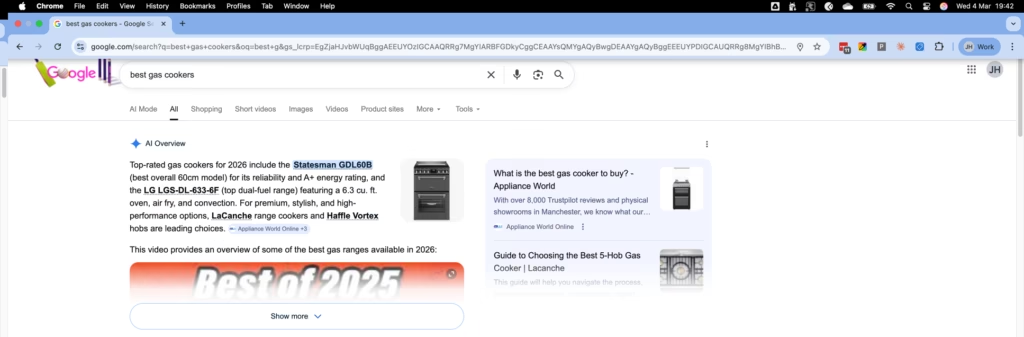
How do you rank in AI Overviews?
So how do you actually rank in AI Overviews? In our experience it’s the same SEO discipline as always, just pointed at longer, more specific queries: research what people are really searching for, target the lower-competition long-tail variations rather than fighting over head terms, structure the answer as a clear, scannable list, and match the query intent directly. Monitor engagement rate (bounce rate) and engagement time. I know we’ve written a poor page or article if the bounce rate is above 50% and the time on page is less than 40 seconds. Obviously it’s page dependant but they’re key indicators of quality.
The metafields then do the heavy lifting on upkeep, because prices and promotions stay accurate on their own, the page keeps earning its place in results long after it’s published.
Is it worth it for an e-commerce store?
Beyond vanity metrics, is it actually worthwhile to go after these queries? In my cases it has been. Historically we’d put collate “informational” content which is fine, but AI does it better these days. Using your real-world experience that can’t easily be replicated by AI gives you the best chance of getting the visibility your content warrants.
In the e-commerce space there are obvious benefits to being number 1 for “best” queries with thousands of searches per month. As above, we’ve seen products with no online traction get the attention they deserve after some articles took off. Behind all this you’ve got to have a good product. Sounds obvious, but the confidence you’ll have when you believe what you’re writing will show through. Ranking to game the system just isn’t fulfilling or long-lasting.